What is the BUS grant?
The Boiler Upgrade Scheme (BUS) gives UK homeowners a £7,500 grant towards the cost of installing an air source or ground source heat pump. It's funded by the government, administered by Ofgem, and available until March 2028.
The grant was increased from £5,000 to £7,500 in October 2023, and the scheme was extended in the 2024 Autumn Budget. It's the single biggest financial incentive for switching from a gas boiler to a heat pump, and it significantly changes the payback calculation.
How much can you get?
Air source heat pump: £7,500 grant. With typical installation costs of £10,000-£14,000, you'll pay £2,500-£6,500 out of pocket.
Ground source heat pump: £7,500 grant. Installation costs are higher (£18,000-£28,000) due to ground works, leaving £10,500-£20,500 after the grant. Ground source systems deliver better efficiency (COP 4.0-5.0 vs 3.0-4.0 for air source), so running costs are lower long-term.
Biomass boiler: £5,000 grant. Only available in rural properties not connected to the gas grid.
The grant is applied directly by your installer - you don't pay the full amount and claim back. It comes straight off your invoice.
Who qualifies?
The eligibility criteria are straightforward, but there are a few things that catch people out:
You must own your property. Owner-occupiers and private landlords both qualify. Social housing landlords are eligible too, though separate funding streams often apply.
Your property must have an EPC. You need a valid Energy Performance Certificate, but there's no minimum rating requirement. The EPC just needs to exist and include recommendations - which almost all do. If your rating is low, our guide on how to improve your EPC rating covers quick wins that also make your heat pump more efficient.
You must be replacing a fossil fuel system. The BUS grant covers switching from gas, oil, LPG, or electric resistive heating. If you already have a heat pump and want to upgrade it, you don't qualify.
The installer must be MCS-certified. This is the most important requirement. Your heat pump must be installed by an MCS-accredited installer, and the system itself must be MCS-approved. Don't be tempted by cheaper quotes from non-certified installers - you'll lose the grant entirely.
Your property must be in England or Wales. Scotland has its own scheme (Home Energy Scotland), and Northern Ireland has separate arrangements.
How to apply
You don't apply directly - your installer handles the application. Here's how the process works in practice:
Step 1: Get quotes from MCS-certified installers. Get at least three quotes. Make sure each includes a home survey, not just a desk estimate. Expect the survey to take 1-2 hours for a thorough assessment.
Step 2: Choose your installer. They'll submit a BUS voucher application to Ofgem on your behalf. This takes a few days to process.
Step 3: Ofgem approves the voucher. Current processing times are around 2-4 weeks. Once approved, the voucher is valid for 3 months (recently extended from the original shorter window).
Step 4: Installation happens. Typically 1-3 days for an air source heat pump. The installer claims the £7,500 directly from Ofgem and deducts it from your bill.
Step 5: You pay the balance. Your invoice shows the full cost minus the grant. You only pay the difference.
What the grant doesn't cover
The BUS grant covers the heat pump unit and installation, but a few things can add to your total cost:
Radiator upgrades. Heat pumps run at lower flow temperatures than gas boilers (35-45°C vs 65-75°C). If your radiators are undersized, you may need larger ones. Budget £150-£300 per radiator, though many homes can keep their existing ones.
Hot water cylinder. If you currently have a combi boiler, you'll need a hot water cylinder installed. This adds £500-£1,000 but is essential for heat pump efficiency.
Insulation improvements. Not required for the grant, but heat pumps perform best in well-insulated homes. Loft insulation (£300-£500) and cavity wall insulation (£1,000-£2,500) improve performance significantly.
Electrical upgrades. Some properties need a consumer unit upgrade to handle the heat pump's electrical load. This adds £200-£400 if needed.
Is it worth it in 2026?
Let's look at the numbers honestly. A typical 3-bed semi with an air source heat pump:
Total installed cost: £11,000-£13,000. After BUS grant: £3,500-£5,500. Annual running cost: £750-£950. A new gas boiler would cost: £2,500-£4,000. Gas annual running cost: £900-£1,200.
So you're paying a similar upfront amount to a gas boiler (after the grant), but with lower annual running costs. Factor in that gas prices are expected to keep rising while electricity becomes cheaper as renewable generation grows, and the gap will widen in the heat pump's favour every year.
There's also 0% VAT on heat pumps and their installation, confirmed until at least March 2027. This saves another £2,000-£2,500 compared to the standard 20% rate.
Common concerns answered
Will it heat my home properly? Yes - when correctly sized and installed. The key is getting a proper heat loss survey done. An MCS installer will calculate exactly what you need.
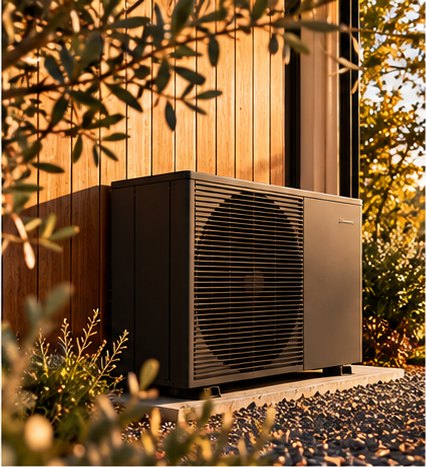
Is my home suitable? Most UK homes can have an air source heat pump. You need outdoor space for the unit (roughly the size of a large suitcase) and neighbours shouldn't be within 1 metre of it, though planning regulations are generous for domestic installations.
What about the noise? Modern heat pumps are around 40-45 decibels at 1 metre - roughly the level of a quiet conversation. At the boundary of most gardens, they're barely audible. This has improved dramatically from early models.
What happens when it's freezing? Air source heat pumps work efficiently down to -15°C or lower. UK winters rarely go below -5°C. You might see a small drop in efficiency on the coldest days, but the system will keep your home warm.
The bottom line
The £7,500 BUS grant makes 2026 one of the best years to install a heat pump. Combined with 0% VAT, the upfront cost is comparable to a new gas boiler, with lower running costs from day one. The scheme is confirmed until 2028, but funding is allocated on a first-come-first-served basis - voucher applications have been increasing steadily.
Get a personalised cost estimate for your property with our heat pump calculator. For a full breakdown of what you will pay before and after the grant, see our heat pump costs guide. You might also want to read about heat pump running costs to understand the ongoing savings, or explore whether solar panels could cut your electricity bill even further.
See what a heat pump would cost you
Your property, your current heating, the £7,500 grant included — no email required.